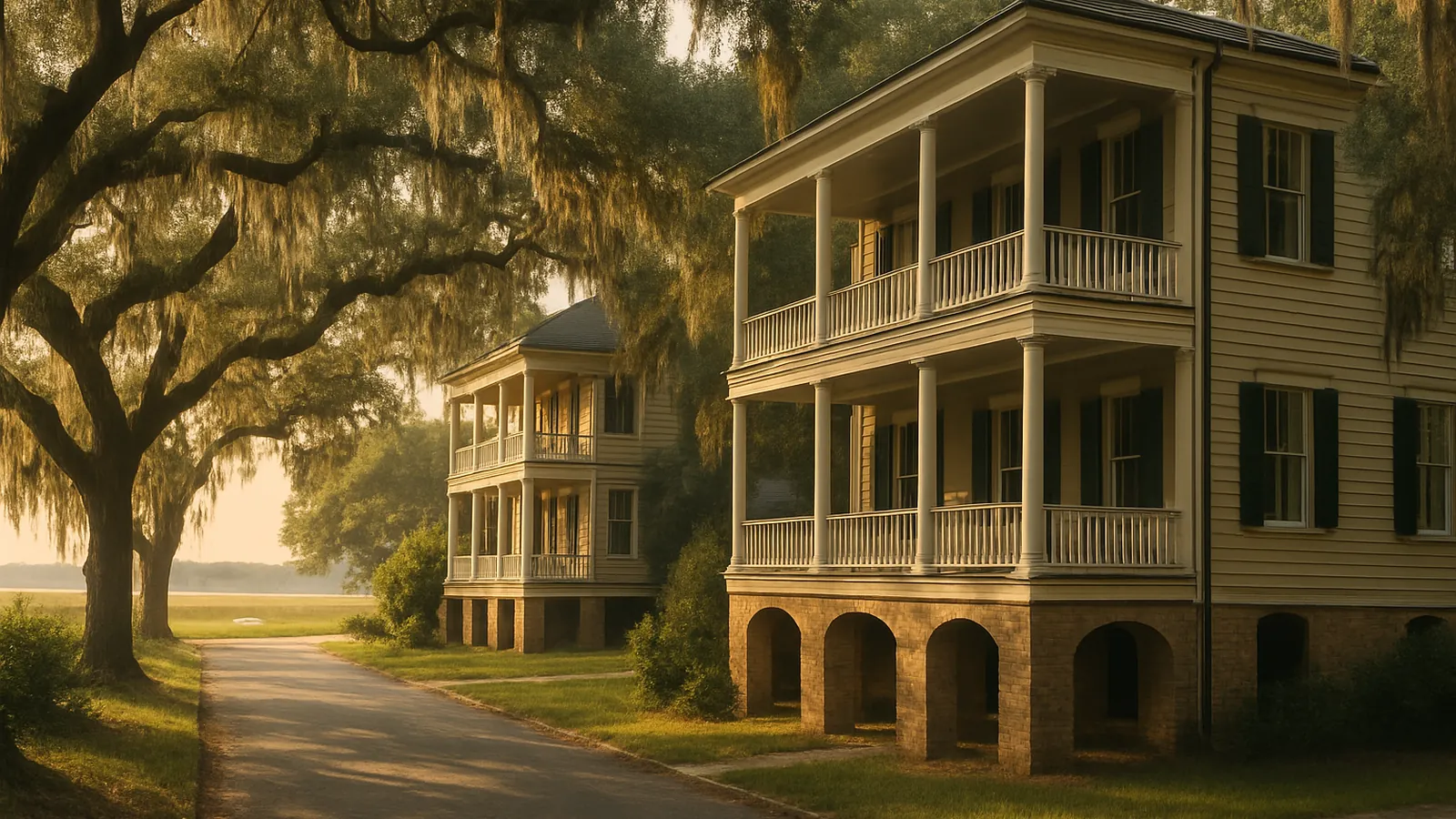
Black mold removal in Augusta runs $1,500–$6,000 for most homes — the same as any remediation of equal extent, because protocol follows square footage and material, not color. Whole-home or structural work reaches $6,000–$15,000.
What the color indicates, why the phrase gets abused here specifically, and what clearance actually proves.
What “black mold” means and what it doesn’t
The phrase usually points at Stachybotrys chartarum, a dark greenish-black mold growing on cellulose — drywall paper, wood, cardboard — that stayed wet for days rather than hours. Finding it tells you something real: this was not a brief event. What it does not tell you is how dangerous your situation is compared with a lighter colony of equal size, because plenty of unremarkable molds are dark and some concerning ones are not. EPA guidance treats all indoor growth the same way: remove it, and fix the water.
Why the phrase gets abused in Georgia specifically
In states with mold licensing, exaggerated claims carry some regulatory risk — a board exists, a license can be examined. Georgia has no mold-protection laws at all: no licensing, no required remediation standard, no disclosure obligation. So a company can describe your growth in whatever terms it likes and price accordingly, and no agency will ever review it. South Carolina, across the river in North Augusta and Aiken, issues no mold-specific license either.
The practical defense is unglamorous: judge the scope, not the vocabulary. A company that names a written standard, produces moisture readings, and prices the moisture correction is doing something no law required of them. That is the signal.
What actually sets the protocol
| Factor | Why it changes the job | Effect on price |
|---|---|---|
| Affected square footage | Drives containment size and labor | Primary driver |
| Porous vs. hard surface | Drywall and insulation are removed; tile is cleaned | Large |
| Reached framing? | Structural drying, sometimes carpentry | Large |
| Access | Crawl space and attic work is slower than a room | Moderate |
| Species / color | Does not change removal protocol | None |
What clearance testing actually proves
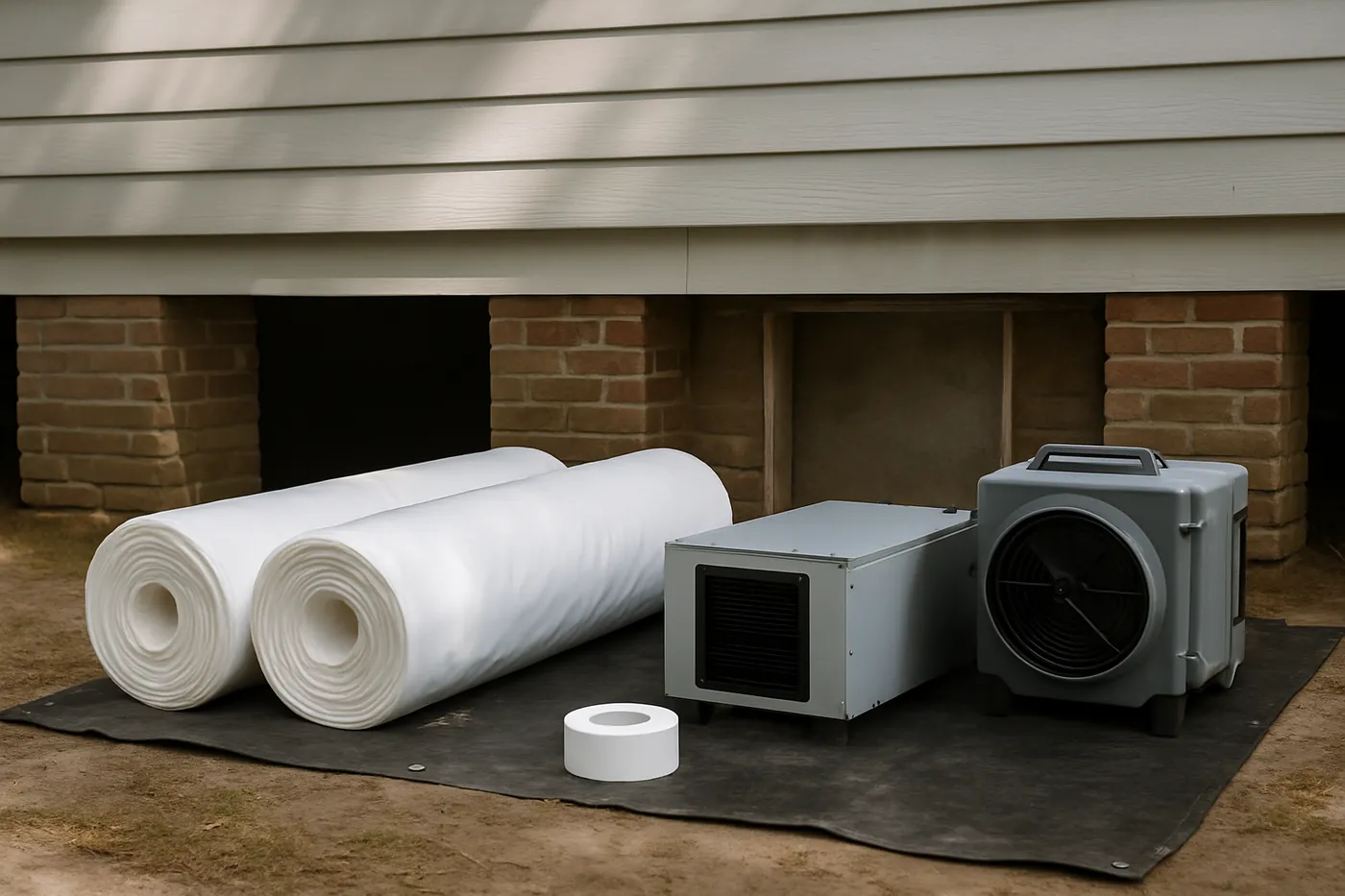
The job is finished when an independent test says the air matches an unaffected part of the house — not when the visible growth is gone. Post-remediation verification checks three things: the work area is visibly clean and dry, containment held, and airborne spore counts sit at or below an outdoor baseline taken the same day. That outdoor comparison is what people miss — spores exist everywhere outdoors, so “zero” is not a standard and anyone promising it is selling something. Have the sampling done by someone who is not doing the removal. In a state where no regulator will ever look at this work, that independent report is the only verification that will ever exist. Pricing by job class is in the cost guide.
Black mold questions, straight answers
Is black mold more dangerous than other mold?
Not reliably, and the color is a poor guide. Stachybotrys chartarum is the species people mean, and it is one of many that appear dark; plenty of harmless molds are black. EPA guidance is that all indoor growth should be removed regardless of type, which is why we scope by extent and moisture source rather than by color.
Should I pay to have it identified?
Usually not, because the answer rarely changes the work. Protocol is driven by square footage, the material it grew on, and whether it reached framing. Testing earns its cost when you need documentation for a purchase or a dispute, when a doctor asked for data, or for independent clearance afterward.
What does black mold removal cost in Augusta?
Most jobs run $1,500-$6,000, the same range as any remediation of comparable extent, with whole-home or structural work reaching $6,000-$15,000. Anyone charging a premium specifically because the growth is dark is pricing the color rather than the job - and in a state with no standard, that happens.
Can a company legally claim anything about black mold here?
Effectively yes, which is the uncomfortable answer. Georgia has no mold-protection laws, no licensing, and no required standard, so marketing claims about 'toxic black mold' face no regulatory check. That is not a reason to panic; it is a reason to judge companies by their written scope and standard rather than their language.
Can I clean it myself?
Under roughly ten square feet on a hard surface with proper protection, yes. Beyond that, or anywhere it has rooted into drywall, insulation, or framing, containment matters - disturbing a colony without negative air pressure distributes it through the house via the HVAC returns.
Get a free Augusta mold inspection
Tell us what you’re seeing or smelling — a musty smell coming up through the floor, cupping hardwood, condensation on ductwork, staining on a wall — and we’ll schedule an inspection that includes going under the house. We reply the same business day.