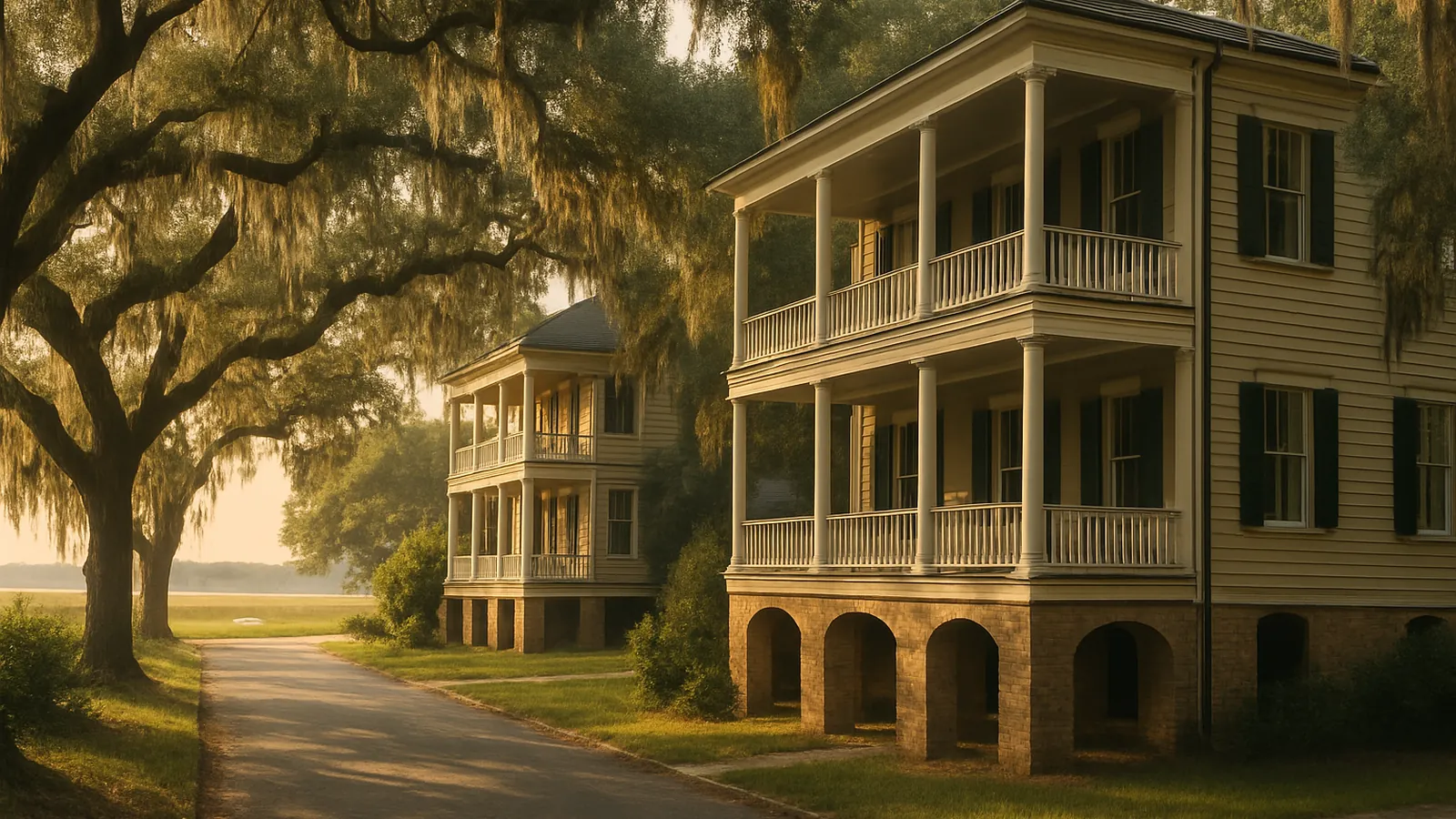
Augusta Mold Removal Co. serves Augusta plus Evans, Martinez, Grovetown, North Augusta, Aiken, Appling, Hephzibah, Harlem, and Thomson — free inspections including crawl space and attic entry across all of them, with travel quoted honestly rather than buried in the line items.
EvansMartinezGrovetownNorth AugustaAikenApplingHephzibahHarlemThomson
Every town we cover, and what changes there
Each of these has its own page, because the ground and the housing stock are not the same across the region. The short version:
Evans — Newer, tighter, and worse at handling humidity
Evans has absorbed much of the metro’s residential growth, and its housing is younger and noticeably tighter than Augusta’s older core. Read what that means for an Evans property.
Martinez — Established housing, aging systems
Martinez neighborhoods have been settled long enough that the original systems are reaching the end of their service lives simultaneously — water heaters, supply lines, HVAC equipment, and roofs installed within a few years of each other now failing within a few years of each other. Read what that means for a Martinez property.
Grovetown — A market where houses change hands constantly
Grovetown sits beside Fort Gordon, and military relocation keeps the housing market moving at a pace most of the metro does not see. Read what that means for a Grovetown property.
North Augusta — Different state, identical regulatory vacuum
North Augusta sits in Aiken County, South Carolina, which means a homeowner here is under a different set of statutes than one three miles away in Georgia. Read what that means for a North Augusta property.
Aiken — Historic houses in a humid climate
Aiken carries a genuinely old housing stock, including winter-colony era homes built when the town drew seasonal residents from the north. Read what that means for an Aiken property.
Appling — Rural lots decide their own water
Appling spreads across larger properties where storm water goes wherever the land sends it. Read what that means for an Appling property.
Hephzibah — Older rural stock, minimal moisture control
Much of Hephzibah’s housing predates any expectation of vapor control. Read what that means for a Hephzibah property.
Harlem — Two housing eras, two failure patterns
Harlem’s older center carries houses that have stood through decades of CSRA summers, mostly on crawl spaces with the moisture profile that implies. Read what that means for a Harlem property.
Thomson — Old construction, full CSRA humidity
Thomson’s core is old, and the housing reflects it: pier foundations over open ground, assemblies built to breathe, systems retrofitted over many decades. Read what that means for a Thomson property.
Four different housing stories in one metro
The growth ring — Evans, Grovetown, newer Harlem — is tight modern construction where the air conditioner carries the entire moisture load, and an oversized unit satisfies the thermostat before it dehumidifies. The established suburbs — Martinez especially — have aging systems reaching end of life together, which produces sudden-event water calls rather than gradual humidity ones.
The older stock — much of Augusta proper, Hephzibah, Thomson — sits on crawl spaces with bare ground and ventilation designed before central air existed, with no defense against a climate that stays humid for months. Across the river — North Augusta and Aiken — the statutes change but the protections do not, and Aiken adds genuinely historic housing built to breathe, now retrofitted with conditioned air.
Three constants across all ten
No dry season in summer. 46-plus inches of rain a year and humidity regularly above 70% means outside air will not dry a crawl space between June and September. Mechanical drying does the work.
Speed. Mold establishes within 24 to 48 hours of intrusion, and this climate never interrupts that clock. Water calls get answered around the clock for exactly that reason.
No license, either side of the river. Georgia has no mold-protection laws at all and South Carolina issues no mold-specific license. Whoever you hire, ask what written standard they follow and ask to see the moisture readings behind the scope.
What mold removal costs across the CSRA
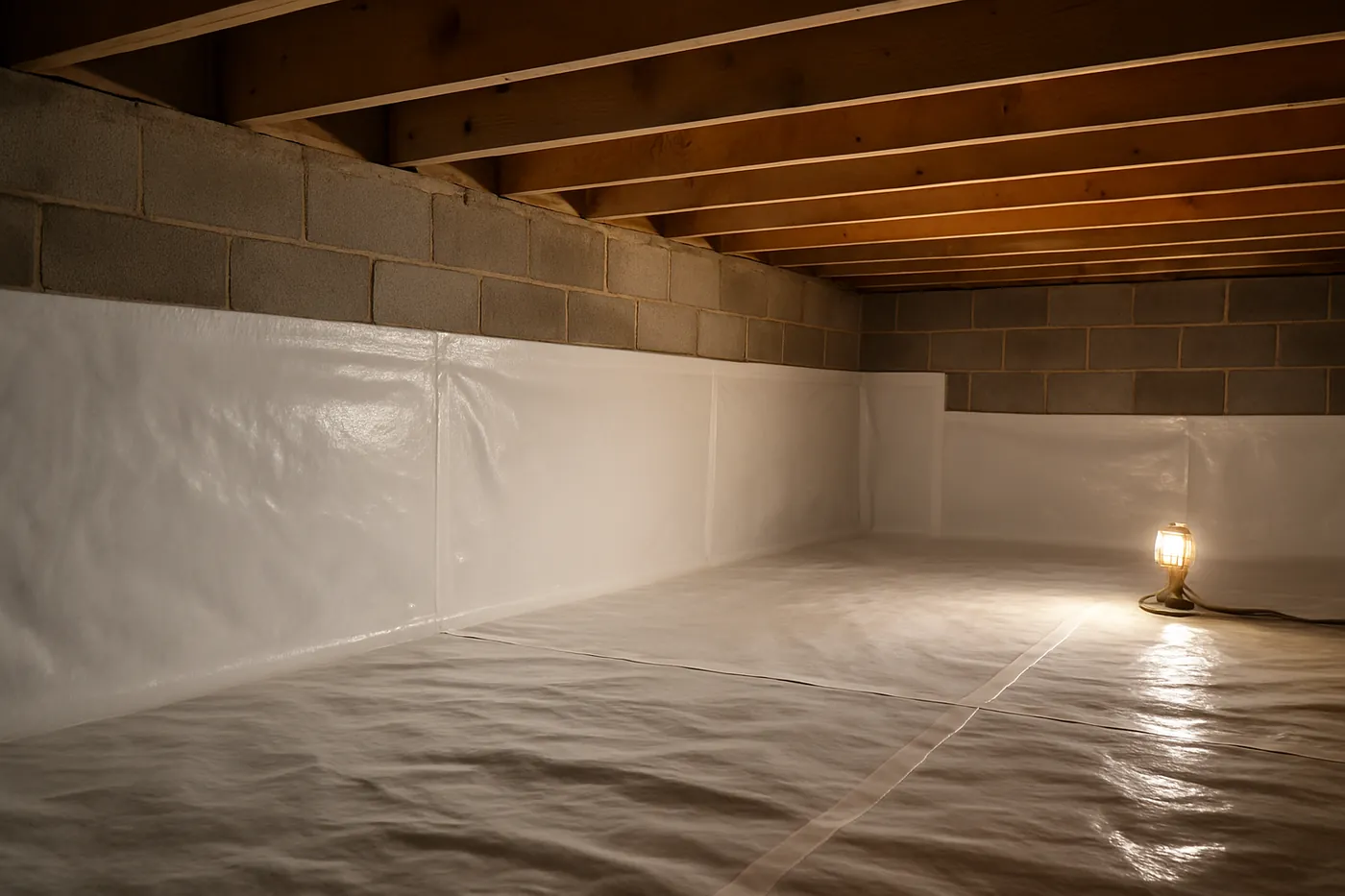
Pricing does not change by town. Remediation runs $1,500–$6,000, crawl space work with a sealed barrier and drainage $2,500–$9,000, attics $1,500–$5,000, and HVAC systems $1,000–$4,000 whether the house is in Thomson or Aiken. What changes is which of those you need, because the moisture arrives differently in each community — an oversized air conditioner in Evans, a failed water heater in Martinez, a silted culvert in Appling, a retrofitted historic wall in Aiken. The cost guide breaks every class out, and the free inspection tells you which one you are actually in.
Service area questions
Do you charge extra for towns outside Augusta?
No surcharge inside the ten communities listed here - Richmond, Columbia, and Aiken counties are normal service area. Beyond that we quote travel honestly and separately rather than burying it in the line items, and we will tell you on the phone before scheduling.
Which county are you actually based around?
Richmond and Columbia counties are the center of the service area, with Aiken County (North Augusta, Aiken) and McDuffie (Thomson) covered daily. Everything in this list is a routine drive, including across the state line, and none of it changes the price of the free inspection.
Is the mold problem worse in some of these towns?
The climate is identical CSRA-wide - 46-plus inches of rain and summers above 70% humidity - but how it reaches the house differs. Newer areas fail at oversized air conditioning that never dehumidifies, older stock at bare crawl space ground, and rural properties at driveways and culverts that redirect storm water.
How fast can you reach my town?
Same or next business day for scheduled inspections across all ten, and immediately for active water anywhere in the service area. Purchase inspections get priority because closing dates do not move.
What it means when we say we cover a town
It means the free walkthrough happens at your address on the same terms it would in Augusta — the same moisture readings and photographs of what is growing, the same written scope afterwards, and travel quoted as its own line rather than buried inside the others. If a job is far enough out that travel is material, you will see that number before you agree to anything.
Damp problems get worse while they wait, so distance never becomes a reason to put a visit off.
These 9 communities are where we work regularly enough to know the ground before we arrive. That is the honest boundary: not a radius drawn on a map, but the places we have looked at enough properties to recognise what we are seeing.
Get a free Augusta mold inspection
Tell us what you’re seeing or smelling — a musty smell coming up through the floor, cupping hardwood, condensation on ductwork, staining on a wall — and we’ll schedule an inspection that includes going under the house. We reply the same business day.