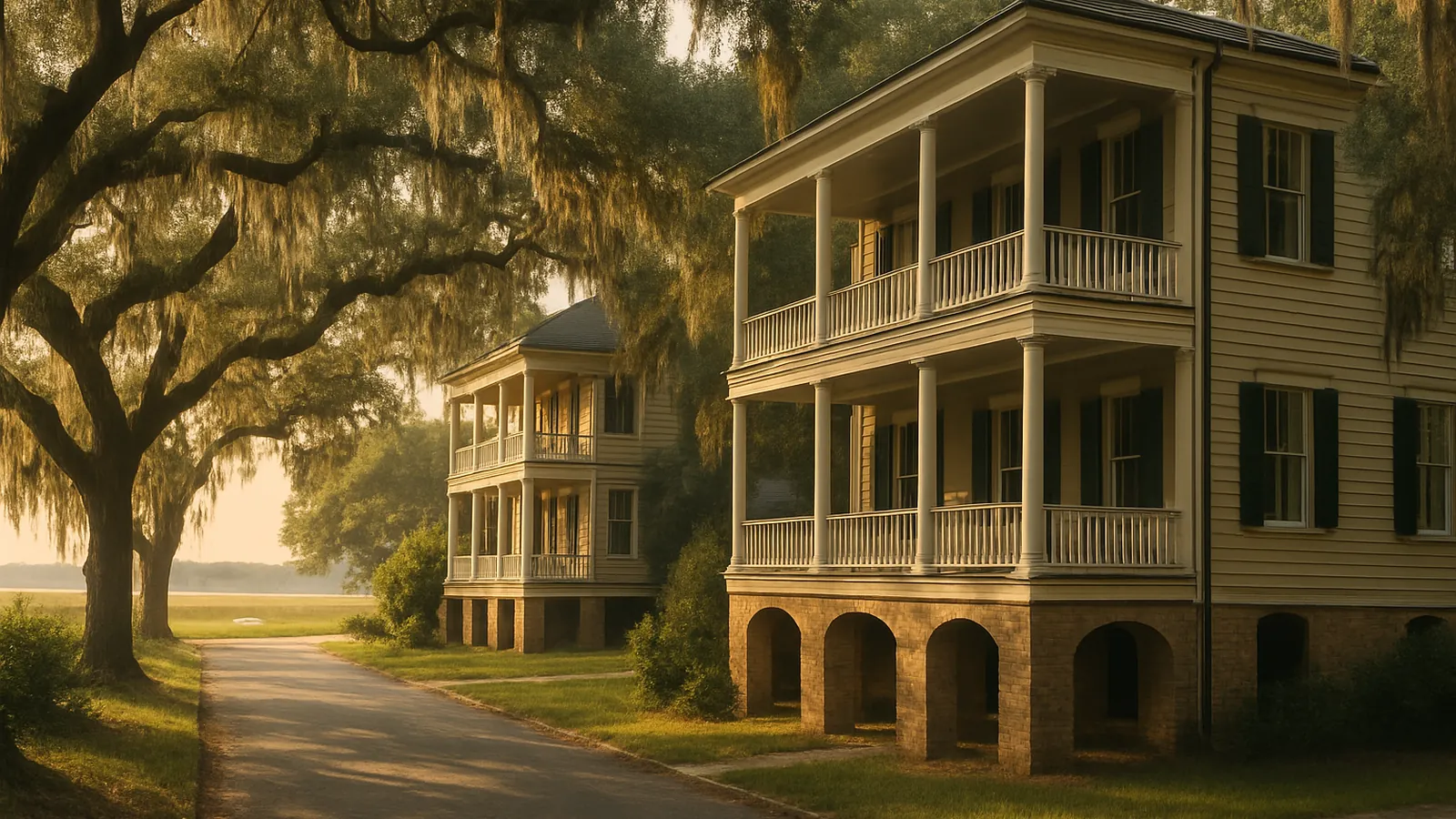
Mold remediation in Augusta runs $1,500–$6,000 for most homes and $6,000–$15,000 for whole-home or structural work. Georgia has no mold-protection laws — no licensing, standard, or disclosure requirement — so the written scope and the standard it names are your only protection.
What the regulatory vacuum actually means for you, the process itself, and the three questions that replace a license.
Nobody is checking. That changes how you hire.
Most trades have a floor: a license to pull, a board to complain to, an inspector who signs off. Mold work in Georgia has none of that. The state has no mold-protection laws — no contractor licensing for mold, no required remediation standard, and no obligation for a seller to disclose a known mold history. Cross the river into South Carolina for North Augusta or Aiken and the picture is the same: no mold-specific license there either.
We are telling you this on our own services page because it cuts both ways. It means anyone with a van can quote your house at any number using any method. It also means a company that volunteers a written standard, produces readings, and puts the moisture source in writing is doing something the law never asked of them — and that is the only signal you actually have.
What the CSRA does to a house
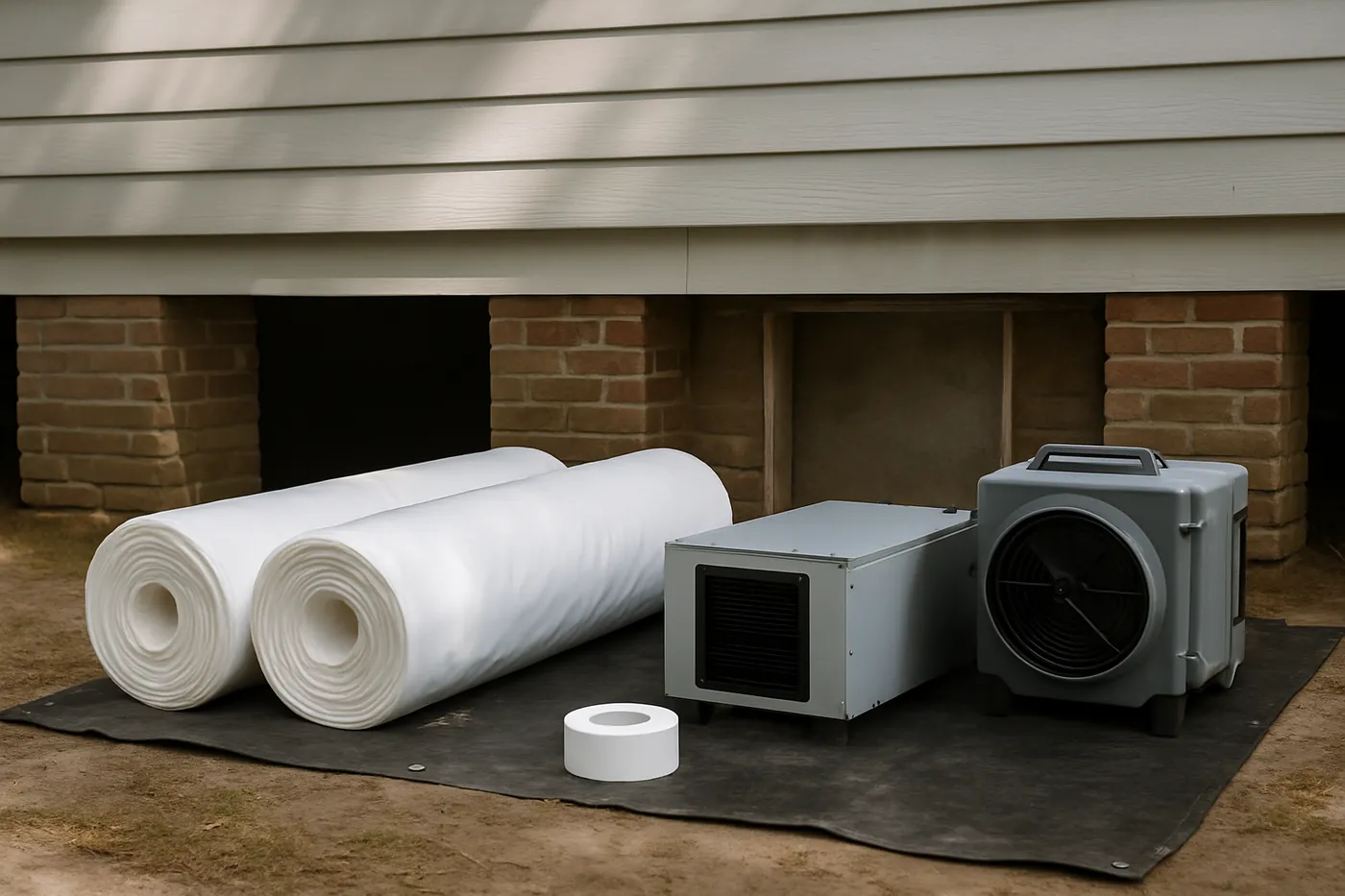
The mechanism here is unglamorous and constant: 46-plus inches of rain a year and summer relative humidity that regularly runs above 70 percent. Nothing dries quickly between June and September. Add older housing stock across much of the metro — crawl spaces with bare ground, ductwork in unconditioned space, plumbing that has been in service a long time — and you get water events that resolve slowly and humidity that never gives the building a break. Mold can establish within 24 to 48 hours of intrusion, and in this climate the clock does not pause for a weekend.
What sets the price
| Job class | What it involves | Typical range | Time |
|---|---|---|---|
| Contained surface growth, one room | Containment, HEPA removal, drywall patch, source fix | $1,500–$3,000 | 1–2 days |
| Multi-room or growth into framing | Larger containment, material removal, structural drying | $3,000–$6,000 | 2–3 days |
| Crawl space with barrier | Remediation plus ground sealing and moisture control | $2,500–$9,000 | 2–4 days |
| Whole-home or subfloor replacement | Multiple zones, carpentry, full moisture system | $6,000–$15,000 | 4–10 days |
| Active water event | Extraction first, then drying, then assessment | $1,000–$8,000 | 3–5 days |
The remediation, in the order that holds
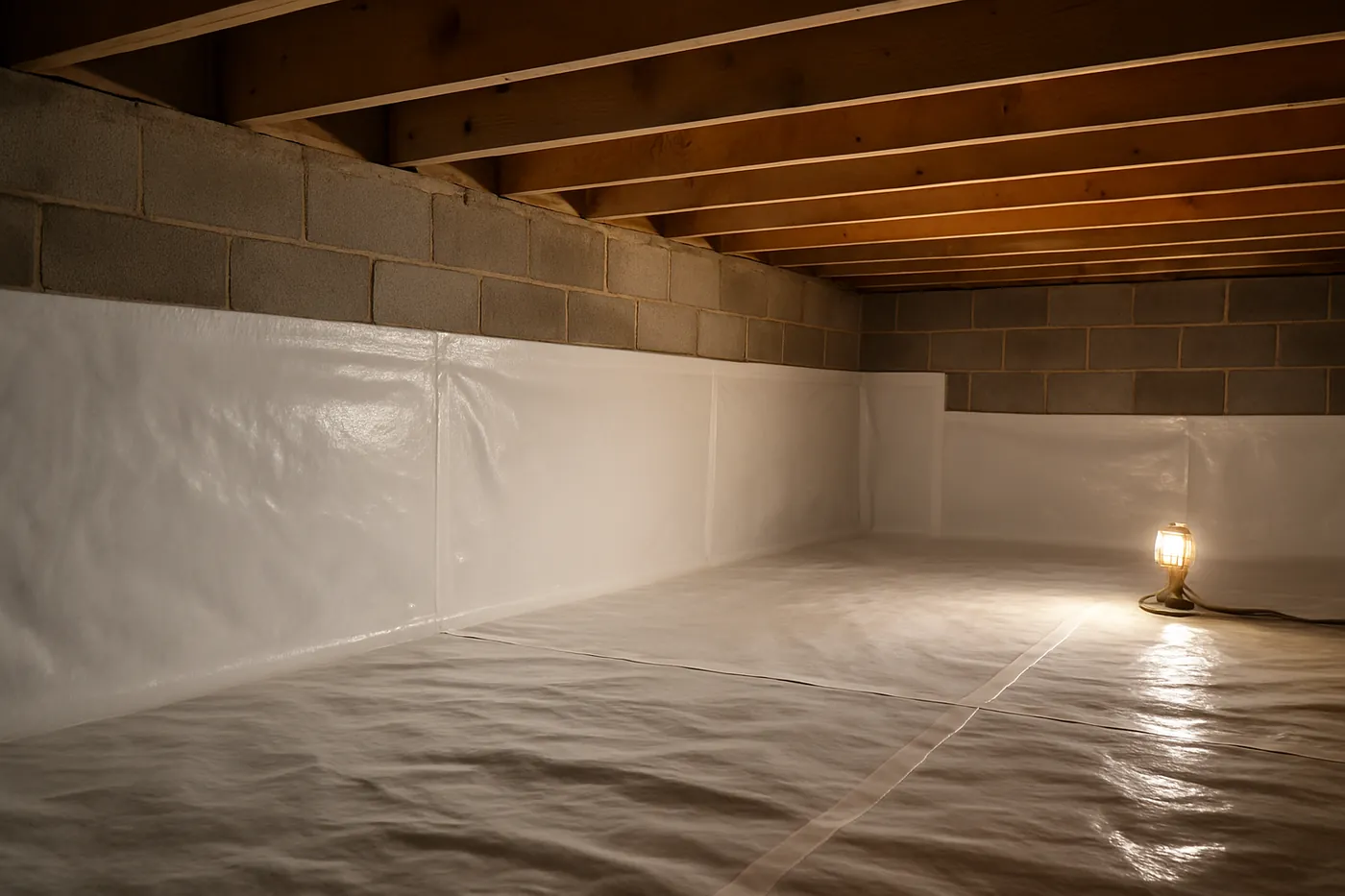
Containment first — barriers and negative air pressure, so what we disturb does not travel through the HVAC returns into clean rooms. Then removal: porous material the colony rooted into comes out and gets bagged, because cleaning the surface of something that holds roots underneath is theater. Non-porous surfaces get HEPA-vacuumed and wiped. Then drying to a measured target with meters on the wood rather than a judgment about how it feels.
Then the part that decides whether you see us again: the moisture source, named in writing and priced in the same scope. In this metro that is usually crawl space ground, an exterior water path, or an air system that cools without removing humidity. A remediation quote that never mentions where the water came from is a quote to do this again next summer.
Remediation questions, straight answers
What does mold remediation cost in Augusta?
Most residential remediation runs $1,500-$6,000, with whole-home or structural jobs reaching $6,000-$15,000. Affected square footage, whether growth reached framing, and access set the number. The inspection and written scope are free, and the scope names the moisture source rather than gesturing at it.
Does Georgia license mold remediation companies?
Georgia doesn't license mold remediation companies, and Georgia goes further than most states in the other direction: it has no mold-protection laws at all - no licensing, no remediation standard, and no mold disclosure requirement. South Carolina, covering North Augusta and Aiken, issues no mold-specific license either. In this metro, nobody is checking anyone's work but you.
So how do I tell a good company from a bad one here?
Three questions, because the state supplies no filter. Which written standard does the work follow - IICRC S520 is the one that exists. Can they show you the moisture readings behind the recommended scope. And does the scope name the water source and price its correction. A company that cannot answer all three is improvising.
Can I just clean it with bleach?
On a hard, non-porous surface you caught early, sure. On drywall, framing, or subfloor, no - bleach is mostly water, and adding water to a humidity problem in a climate that runs above 70% relative humidity all summer is the wrong direction. Porous materials hold roots below the surface, which is why remediation removes material.
Will it come back?
Only if the moisture does. Remediation removes the colony; it does not change the conditions. In the CSRA those conditions are usually a crawl space with bare ground, a downspout discharging beside the foundation, or an AC system that cools without dehumidifying. A scope that does not name and correct one of those is temporary.
Get a free Augusta mold inspection
Tell us what you’re seeing or smelling — a musty smell coming up through the floor, cupping hardwood, condensation on ductwork, staining on a wall — and we’ll schedule an inspection that includes going under the house. We reply the same business day.